
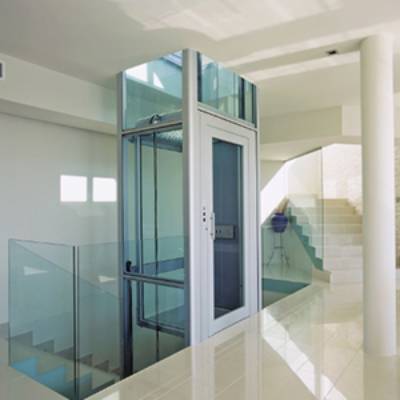
Luxury villas usually cover two, three, or even four levels. Stairs become tiring quickly, especially when carrying items or hosting guests. Many owners choose a hydraulic lift for home because it performs better in these layouts. Unlike cable systems that require a large machine room overhead, hydraulics operate with a piston and fluid. The system runs quietly and steadily without rattling. The ride feels smooth. In open-plan villas where space matters, there is no loss of ceiling height or visible overhead equipment.
Elevator manufacturers now promote these models for residential applications. They support substantial weight, suitable for families with luggage or future accessibility needs. Safety features include auto-leveling, emergency stops, and backup power for power outages.
Key Reasons They Fit Luxury Villas So Well
- Ride quality stands out: No sudden starts or stops; the fluid cushions everything.
- Space savings: No need for a machine room above the shaft, freeing up villa areas.
- Custom fits: Finishes, cabin size, even door styles match wood paneling or marble without looking bolted-on.
- Solid for shorter runs: Villas rarely go beyond four floors, so hydraulics shine here; no need for traction tech that’s overkill.
- Lower long-term hassle: Fewer moving parts up high means less noise and cheaper yearly checks.
Owners notice the quiet most. You can have music on or kids running around, and the lift doesn’t announce itself.
Quick Look at How It Actually Operates
A pump sends oil into a cylinder beneath the cabin. The piston rises, and the lift ascends. Descent occurs when valves release oil slowly; gravity assists, keeping power use low downward. Most installations need a shallow pit of 1 to 1.5 meters, which fits beneath ground floors without extensive excavation. Sensors monitor speed and position continuously. Any irregularity triggers a gentle stop.
Compared with older rope elevators, the absence of counterweights simplifies shafts and reduces house vibration.
Things to Think About Before Installing
Begin with a site assessment to evaluate floor loads, shaft width, and power routing. Select a location near main living areas for practical use. Reputable elevator manufacturers manage permits and building codes from the start. Installation typically takes 4 to 6 weeks after parts arrive, followed by load tests and safety certification. Costs vary with custom features such as glass panels or voice controls, but the core system delivers reliable performance for years with routine fluid and seal checks.
Ready to Make Your Villa Flow Better?
When a villa lacks convenient floor-to-floor access, a hydraulic lift for home solves the issue without disrupting the overall design. These systems improve livability in older properties and support stronger resale discussions. Contact specialists in residential installations to review options that suit the specific space. Smooth, quiet movement becomes part of daily comfort, allowing the home to function as intended.
FAQs
What keeps a hydraulic lift safe in a home?
Emergency brakes, overload protection, and battery backup ensure a safe exit during blackouts.
How much room does one really take?
A compact shaft plus a small pit usually fits into existing villa designs with minimal changes.
Do these lifts make a lot of noise?
Very little; the fluid system keeps operation smooth and quiet, ideal for calm homes.
What maintenance comes with it?
Annual fluid level checks plus seal inspections by a technician maintain reliability.
Can you make it match your villa’s look?
Yes, select materials, lighting, and controls to blend seamlessly with existing decor.
