
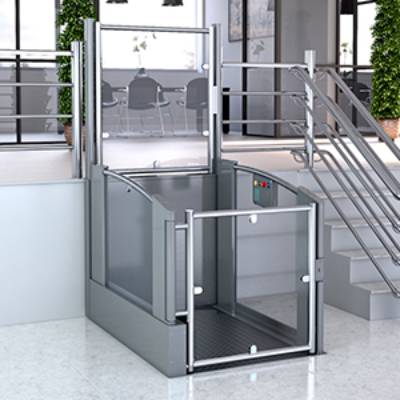
Many Indian families now live in multi-story homes, with two to four floors or more in independent houses, villas, and duplexes. Stairs create daily difficulties for elderly members, people with joint pain, young children, or anyone carrying heavy loads. Residential lifts and elevators offer a direct solution: safe, convenient vertical movement that fits into family life without constant effort.
Residential home elevators support independent living, improve home accessibility for all ages and abilities, and increase property usability and future value. In typical Indian conditions, including unpredictable power supply, humid or dusty environments, and often limited plot space – the right lift must balance ease of installation, reliable daily performance, low maintenance needs, and strong safety standards.
This guide answers key questions about home lifts for Indian residences. It covers main types available, practical factors to evaluate, must-have safety elements, leading elevator manufacturers in India, installation realities, maintenance routines, and user experiences. The aim is to help you identify a system that matches your home layout, family size, usage patterns, and long-term expectations.
Why More Indian Families are Choosing Home Lifts?
Residential home elevators remove the daily struggle of stairs. They help seniors move freely without getting help. Parents carry heavy items like water cans or grocery bags without repeated trips. Children play on different levels without constant help.
The property also becomes more attractive to buyers. In Delhi-NCR, Mumbai suburbs, and Bengaluru, people notice accessibility features and sometimes pay higher prices or sell faster. Modern buyers see a home lift as a sign of thoughtful planning for aging parents or future needs.
Safety Rules and Indian Conditions That Affect Home Lifts
Indian standards keep lifts safe. IS 14665 limits speed to 0.15-0.5 m/s, requires secure door locks during travel, and sets load capacity at 225-450 kg for average families. These rules prevent overloads and keep power use within reasonable limits on standard home wiring.
India brings specific challenges. Power cuts last for hours in many places, so battery backup or automatic rescue for 4-6 hours is important. Older houses rarely have pre-planned shafts, making pit-less or shallow-pit models necessary. Monsoon humidity and coastal salt accelerate corrosion, so galvanized or coated frames last longer. Hot, dry regions need good ventilation to avoid motor overheating. Dust from roads or construction can jam tracks if not cleaned regularly.
How to Start Planning a Home Lift for Your House?
Check your property carefully first. Count the usable floors. Decide possible locations: inside the staircase area, on an external wall, in a balcony corner, or a small new extension. Apply for municipal or building permission early – approval can take 2-4 weeks or longer in some cities.
Choose models quieter than 50 dB to avoid disturbing sleep or living areas. When chosen correctly, the lift becomes a normal part of home life – quiet, dependable, and always available.
What Types of Home Lifts Suitable for Indian Residences?
The Indian market has several residential home elevators, each suited to different house sizes and family routines.
Hydraulic Lifts
Such elevators uses pressurized fluid and a piston system to move the cabin. This delivers a very smooth, quiet ride with almost no vibration. Hydraulic lifts handle loads up to 400 kg and work well in homes with 2-4 floors. Families often choose them when comfort on short trips is a priority.
Traction Lifts (Geared or Gearless)
They rely on ropes, a motor, and counterweights. Gearless traction stands out for quieter operation, lower energy use, and longer-lasting parts without gearbox maintenance. These lifts manage multiple stops smoothly and fit homes with three or more floors. Machine-room-less (MRL) traction keeps components inside the shaft, saving interior space. They remain efficient during frequent daily use typical in active households.
Pneumatic Vacuum Lifts
They move the cabin through air pressure changes inside a sealed tube. No pistons, ropes, or heavy mechanics are needed. Installation avoids deep pits or separate machine rooms, enabling fast addition to existing homes with minimal structural work. Glass-walled designs give a modern, open appearance. Capacity usually supports 2-3 people, suiting compact layouts where aesthetics and low disruption matter most.
Battery-Powered or Screw-Driven Lifts
They store power in batteries that recharge during normal runs or from solar input. They continue operating through power cuts. Screw-driven models use a mechanical threaded shaft for steady, controlled movement. Both require little overhead clearance and adapt to tight spaces. Solar compatibility adds independence from grid fluctuations.
Machine Room-Less (MRL) Lifts
They place all equipment within the shaft or on the cabin. Offered in traction or hydraulic forms, they maximize usable floor area. Quiet runs and efficient motors align with residential needs. New constructions often incorporate MRL designs for seamless integration.
Which type fits best? Hydraulic or battery-driven for two-three floors; traction for taller homes needing multi-stop efficiency.
What Key Factors to Evaluate Before Choosing a Home Lift?
Several practical considerations determine long-term fit.
Space Requirements
Measure the exact area for the shaft or lift zone. Compact MRL, pneumatic, or battery models work where standard setups do not. Pitless options help older homes avoid major excavation.
Capacity and Accessibility
Standard ratings cover 250-450 kg, fitting three to five people or a wheelchair comfortably. Wider doors (minimum 800 mm), non-slip floors, and handrails improve safety for seniors, children, or mobility aid users.
Power Reliability
Frequent outages make battery backup or Automatic Rescue Device (ARD) essential. ARD moves the cabin to the nearest floor safely if power fails.
Energy Efficiency
Low-power motors and regenerative systems reduce consumption per trip, keeping running costs manageable.
Customization Options
Choose cabin materials like stainless steel, glass, wood finishes, or mirrors. Add automatic doors, fans, LED lighting, emergency intercoms, or voice guidance for easier daily use.
Regulatory Compliance
Follow Bureau of Indian Standards (BIS) rules, including IS 14665 for traction lifts, plus local approvals for structural safety, fire resistance, and accessibility features.
Service Network
Select brands with accessible technicians and genuine spares for quick response and minimal downtime.
Inside Design
Small touches improve experience: automatic night lighting, full-length mirrors to make the cabin feel larger, and wooden or textured panels to match your home interiors.
Start by reviewing your home type: new builds allow full planning; existing ones prioritize low-impact retrofits.
What Safety Features Every Home Lift Should Have?
Safety protects family members in every situation.
- Automatic Rescue Device (ARD): Uses backup power to reach the nearest floor and open doors during outages.
- Door Safety Systems: Sensors (light curtains, infrared) stop closing on obstruction; interlocks prevent mid-travel opening.
- Overload Protection: Detects excess weight, sounds alarms, and stops operation.
- Emergency Controls: Stop button, alarm buzzer, and intercom inside the cabin connect to outside help.
- Overspeed Protection: Governors monitor speed; multiple brakes engage automatically if limits are exceeded.
- Comfort and Prevention Elements: Non-slip flooring, grab bars, gentle start/stop, emergency lighting reduce risks.
BIS standards require core features, with extras advised for variable conditions. Regular checks keep everything functional.
Which are the Top Elevator Manufacturers in India for Residential Use?
The market includes global brands with proven technology and domestic specialists focused on local needs.
- ICARE Lift System: 40+ years of experience tailored to Indian conditions. Uses rust-resistant steel frames and robust battery options.
- Otis India: Known for safe flat-belt technology and dependable automatic rescue devices. Strong presence in major cities with wide service teams.
- KONE India: Offers compact machine-room-less designs, energy-efficient motors, and mobile app monitoring. Excellent coverage in northern states.
- Schindler India: Provides flexible layouts and good hydraulic expertise. Trusted choice for mid-range villas and bungalows.
- ThyssenKrupp India: Delivers fast traction systems and responsive support. Preferred for new construction projects.
- Johnson Lifts: Fully Indian brand with straightforward, durable hydraulic models. Popular and trusted in smaller cities and towns.
- Fujitec India: Focuses on quiet gearless technology and space-saving cabins. Gaining popularity in metropolitan areas.
- Hitachi India: Includes smart IoT features for early fault alerts via phone. Appeals to homeowners who value connected tech.
- Escon Elevators: Specializes in well-executed pneumatic vacuum lifts with quick turnaround. Offers strong value for modern styling.
- Nibav Lifts: Famous for transparent glass-tube vacuum designs. Attracts buyers looking for aesthetic impact over maximum speed.
Visit working installations whenever possible. Read genuine customer reviews on forums and groups. ICARE consistently gets mentioned for arriving on-site within 4 hours in urgent cases.
Why ICARE Lift System Performs Well for Indian Homes?
ICARE Lift System specializes in residential home elevators built for real-world Indian use. With over 40 years of focused experience and many successful installations, ICARE uses certified, high-quality parts for smooth, silent, long-lasting performance.
Reinforced steel and brick structures enhance stability and target zero breakdowns. Compact designs fit restricted spaces in new or existing homes. Safety layers meet standards, with emergency systems and multiple protections included.
Customization covers sizes, finishes, and layouts to blend with home interiors. Installation includes full support from site survey to final testing. Maintenance stays simple with accessible parts and dedicated service.
Users value the practical engineering, reliability, and ongoing assistance tailored to family residential settings.
How Installation and Maintenance Work in Practice?
Installation usually takes 3–14 days based on complexity.
- Preparation: Site survey, approvals, and basic civil work like shaft creation.
- Main Steps: Install guides and structure, fit cabin, connect systems, test loads and safety, commission unit.
- Routine Maintenance: Clean rails monthly; arrange quarterly professional checks for lubrication, sensors, batteries, brakes.
Use certified teams only to maintain safety and warranty. Brands with reliable spares ensure decades of service.
ICARE Lift System: Your Reliable Choice for Home Mobility
Stairs should not limit daily comfort in your multi-story home. ICARE Lift System delivers targeted residential lifts and elevators designed for Indian residential realities. Our systems combine certified components, layered safety, and practical engineering for consistent, smooth performance over many years.
With deep industry experience, we create configurations that handle space limitations, meet family needs, and comply with standards through straightforward processes. From consultation and site assessment to precise installation and continued support, everything remains clear and helpful.
Find out how the right home lift can improve accessibility across your entire house. Contact ICARE Lift System for expert advice, a detailed site review, and options customized to your exact situation. Choose enhanced comfort, independence, and lasting convenience for your family. Reach out today to move forward with a more accessible home.
FAQs
Which home lift type is best for a two-floor Indian house?
Hydraulic or battery-driven lifts suit two floors well; they offer smooth rides, simple setup, and reliable performance with minimal space needs.
How do I know if my home has enough space for a lift?
Measure for about 1.2m × 1.2m shaft; pitless MRL or pneumatic models adapt to smaller or existing areas with less modification.
Are home lifts safe for young children in the family?
Yes, with sensors, overload alarms, child locks, and emergency stops; adult supervision adds important extra safety.
What happens to a home lift during a power cut?
Battery backup or ARD lowers the cabin safely to the nearest floor, keeping access available even without electricity.
How long does it take to install a residential home elevator?
Typically 3-14 days, including surveys, assembly, connections, testing, and handover with limited disruption.
What ongoing maintenance does a home lift need?
Monthly track cleaning plus quarterly expert checks on lubrication, sensors, batteries, and brakes maintain safe operation.
Can I add a home lift to an older house without major changes?
Yes, retrofit-friendly MRL, pitless, or compact models reduce structural work while enabling installation.
What safety features are required by Indian standards?
ARD, door interlocks, overload protection, emergency alarms, brakes, and BIS compliance (like IS 14665) form the essentials.
Which lift works best for a four-floor family home?
Traction (especially MRL gearless) handles multiple stops, good capacity, and efficiency for taller residential structures.
How do I pick the right elevator manufacturer in India?
Look for experience, strong service network, residential customization, safety compliance, and positive feedback; ICARE offers practical, India-focused solutions.
