
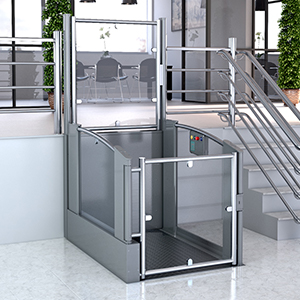
Many people own houses with two or more floors. After some years, stairs start feeling difficult. Elderly parents struggle to go up and down. Anyone with knee pain or balance issues gets worn out quickly. Home elevators fix that problem completely. They let everyone reach any floor easily and safely. The right choice depends mostly on how much room is available, how much money can be spent, and how safe the system needs to be. Home elevators and lifts come in many styles, from very small practical ones to attractive glass models. Plenty of elevator manufacturers in India now build dependable units meant for normal family houses. This blog walks through the important things to consider so you can pick a suitable home lift.
The Basics of Residential Elevators
Home elevators are not the same as elevators found in malls or office buildings. Manufacturers make them quiet on purpose and shape them so they look good inside a house. Most lift home elevator models handle two, three, or four floors and carry 2-4 people at gentle speeds, usually between 0.15 and 0.5 meters per second.
The way they move changes from one type to another. Some use oil under pressure – those are hydraulic and feel very smooth on shorter trips. Others use steel cables with counterweights, traction types, and the gearless ones stay especially quiet in taller homes. A few newer kinds actually use air pressure inside a round tube. Those often skip digging a pit and don’t need an extra machine room.
Before buying anything, measure carefully. Look at the exact space where the shaft will go, check floor-to-floor height, and see how much clear room exists overhead. Some units run on ordinary home electricity. A few need thicker wires or a separate circuit. Good modern lifts make almost no sound, normally under 50 decibels while moving.
Types of Home Elevators Available
Different types fit different houses and family needs. Each type has clear advantages.
Hydraulic Home Lifts
These models are popular as they work reliably. Oil pressure pushes the cabin upward in a steady, calm way.
- Best for 2-3 story homes with a small pit space.
- The pump fits in a small room or cupboard.
- They use energy well for regular daily trips.
- They cost less for shorter travel distances.
Traction-Based Systems
Cables and counterweights move these elevators. Gearless motors reduce noise and need less maintenance.
- Good for homes with four or more floors.
- They need a hoistway, but usually need only a shallow pit.
- Doors open quickly and stops feel smooth.
- They save energy by sending power back during descent.
Pneumatic Vacuum Lifts
Air pressure moves the cabin through a sealed tube. No cables or oil make the system simple.
- Fits well in small spaces like home extensions or older houses.
- The clear tube gives a modern look.
- It uses low electricity.
- Installation finishes quickly, sometimes in just a few days.
Glass and Scenic Lifts
Glass walls turn each ride into a pleasant view. These home elevators and lifts bring more light into the house.
- Light flows freely through open floor plans.
- They look striking when placed in central areas.
- Finishes can match any home style.
- They make rooms feel bigger and brighter.
Smaller family houses choose simple hydraulic models. City apartments usually prefer compact pneumatic types due to limited space.
Key Factors to Consider for Your Home
A few basic checks help narrow down the right home lift.
Space is the first thing to check. Measure the area for the shaft, the cabin, and the space above. Narrow models fit in four feet by four feet. Some need a little more room for doors to work safely.
Budget matters a lot. Prices change depending on the type, finishes, and installation work. Think about long-term energy use and service costs too.
Daily use guides the decision. Frequent use needs fast doors and reliable controls. Light use allows simpler models.
Features that help everyone matter. Strong handrails, lit buttons, voice floor announcements, and emergency phones improve safety and ease.
Power reliability is important. Battery backups let the elevator move safely during outages.
Local building rules set limits. Following the rules avoids delays and keeps everything legal.
Essential Features in Modern Home Elevators
New models include helpful features for daily comfort.
Smart controls let users call the elevator from a phone or wall panel. They can connect to home systems for voice commands.
LED lights inside the cabin use little power and give clear light. Brightness can adjust for different times of day.
Doors with sensors open on their own and stop if something is in the way. This adds safety on every trip.
Energy recovery systems send power back during descent. This lowers electricity bills over time.
Cabin interiors can use wood, metal, or mirrors. These choices blend with the rest of the house.
Soundproofing keeps the ride very quiet. Quiet movement does not disturb the home.
These features make the elevator more comfortable and useful every day.
How Safety Is Built into Home Lifts
Safety comes first in any good home elevator. Several protections work together.
Weight sensors stop the elevator if the load is too heavy. This protects the system.
Stop buttons inside and outside allow quick halts. Batteries power a safe descent if power fails.
Door locks check that the cabin is level before opening. Wrong position stops the doors.
Fire-resistant materials and smoke sensors help in emergencies.
Trained technicians perform regular checks. Following the schedule keeps everything safe.
Elevator manufacturers in India now meet high safety standards. Extra brakes and strong frames add more protection.
Families can trust safe movement between floors.
Installation Process for Residential Elevators
Professional installation follows clear steps and causes little disruption.
- The team first visits to measure and plan the shaft and wiring.
- Factory-made parts arrive ready. The cabin and rails go together quickly.
- A pit is dug only when needed. Tools align everything precisely.
- Wiring connects to safe panels. Tests check smooth movement and door function.
- Final work adds matching floors and walls. The team shows how to use it.
- The process usually takes four to eight weeks. Modular parts keep mess low.
- Users learn the controls and basic checks before the team leaves.
Maintenance Tips for Long Life
Regular care keeps home elevators and lifts working well for many years.
- Clean the cabin monthly to remove dust. Lubricate tracks as directed.
- Trained technicians inspect once a year. They check cables, oil, and brakes. Small issues get fixed early.
- Listen for strange noises or jerky movement. Report them quickly.
- Update software on smart models when needed.
- Keep spare parts available from trusted suppliers.
- Good care prevents big repairs and keeps rides smooth and safe.
How Different Home Elevator Types Compare?
Each type has strengths that suit different homes.
Hydraulic models give smooth, quiet rides and work well for shorter heights. Traction systems save energy and move faster, making them suitable for taller houses. Pneumatic models save space and install quickly. Glass and scenic types add beauty and light.
The best choice matches the home layout and daily needs.
Why Choose Elevator Manufacturers in India?
Elevator manufacturers in India bring several practical benefits.
- Long experience leads to steady improvements.
- Local production means faster delivery.
- Prices stay competitive because of local scale.
- Skilled workers build accurate parts. Designs fit many house styles.
- Sustainable methods use recycled materials when possible.
- Service teams cover large areas. Problems get fixed quickly.
- Help with approvals makes projects move smoothly.
- Reliable support meets both local and wider needs.
What Makes Top Home Elevator Models Stand Out?
Leading models focus on real home use.
- Modular designs make installation easier in existing houses.
- Small units fit modest homes. Larger cabins suit big properties.
- Glass options bring in light and beauty.
- App alerts warn owners of any issues.
- Finishes and controls can be customized.
- Practical designs offer comfort and long-term reliability.
How Elevators Fit into Home Design?
Good planning places home elevators naturally in the house.
- Open shafts let light pass through. Glass parts improve flow.
- Flush doors keep walls clean and simple.
- Floor materials continue smoothly between levels.
- Lighting matches the rest of the house. Controls fit room styles.
- Design advice creates balanced spaces.
- Smart placement improves movement throughout the home.
Benefits for Long-Term Living at Home
Home lifts make staying in the house easier for many years.
- Stairs no longer strain joints.
- Movement stays independent. Confidence grows.
- Family gatherings include everyone.
- Doctors and caregivers reach all floors.
- The house gains value with useful features.
- Planning ahead supports comfort for a long time.
Energy Efficiency in Home Lifts
Modern designs use less energy.
- LED lights need little power.
- Descent sends energy back to the system.
- Insulation keeps the cabin at steady temperature.
- Solar options can support backups.
- Standby mode uses almost no electricity.
- Certified models support green living.
- Savings appear slowly on electricity bills.
Customizing a Home Elevator
Personal choices make a lift home elevator fit the family.
- Cabin size matches daily use.
- Materials last and look good.
- Controls range from buttons to touch screens.
- Speed adjusts for comfort.
- Extras like seats add ease.
- Experts help create the exact look and function.
- Unique details show personal style.
Regulations and Permits for Home Elevators
Every area has its own construction rules.
- Codes set minimum sizes and strengths.
- Engineers check that the structure can support the weight.
- Wiring follows safety standards.
- Fire safety features connect properly.
- Insurance updates to cover the new addition.
- Licensed professionals handle paperwork.
Staying within regulations avoids fines and ensures a trouble-free handover.
How Home Elevators Support Multigenerational Families?
Multigenerational homes gain a lot from home elevators. Older parents move to upper rooms easily. Young children reach play areas safely. Everyone uses the whole house.
Battery backups handle power cuts. Emergency features give peace of mind. Quiet rides do not disturb rest or work. Cabin finishes match family tastes, from wood to glass.
These systems bring family closer. Meals happen on any floor. Holidays gather everyone comfortably. Independence reduces the need to move. The home stays welcoming for years.
End the Stair Struggle – Contact ICARE Lift System Today
Ready to make moving between floors easier? Picture smooth rides, lasting independence, and family time without limits. ICARE Lift System creates home elevators built for real daily life. Careful engineering and practical design deliver reliable performance in every trip. Contact the team today. Begin the path to a more comfortable home with a consultation made for your needs. See why many families trust this proven approach.
FAQs
What is the average lifespan of a home elevator?
A well-serviced home elevator may work for 20-25 years when quality parts receive regular attention and checks.
How much space does a typical home lift require?
Standard home lifts need about 4 ft × 4 ft for the shaft, although tighter models manage 3 ft × 3 ft spaces.
Are home elevators energy-efficient for daily household use?
Modern home elevators and lifts recover energy on descent through regenerative features. It can lower power costs by 30% during regular operation.
Can I install a lift home elevator in an existing older home?
Retrofitting a lift home elevator proves possible using modular construction methods that limit extensive changes to the original building structure.
What safety certifications should I look for in elevator manufacturers in India?
Reliable elevator manufacturers in India carry ISO 9001 along with EN 81 and CE marks to confirm adherence to strict safety and quality rules.
How often should a home elevator receive professional maintenance?
Experts recommend servicing home elevators twice yearly to identify potential faults early and keep the system safe and functional over time.
Do home lifts increase property value when selling a house?
Quality home elevators commonly raise market appeal and frequently add between 5-10% to the property resale value.
What is the weight capacity of standard residential elevators?
Common home lifts handle loads safely from 750 pounds up to 1000 pounds, including passengers, wheelchairs, and light household goods together.
Can home elevators operate safely during power outages?
Numerous home elevators and lifts equip battery backups, allowing controlled, safe descent for as long as two hours without main electricity.
How long does installing a home elevator usually take?
Typical lift home elevator setups finish in 4-6 weeks, varying slightly with required adjustments to the existing home conditions.
