
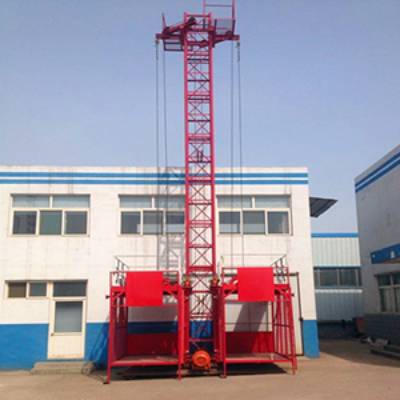
Handling materials on tall building sites requires careful planning. You want a construction lift that keeps things moving without hiccups or hazards. Choose the weak one, and you’re stuck with slow progress and extra strain on the team. Go oversized, and you’re burning cash on unneeded power. This blog explores how to nail the right capacity for your job. Think about what you’re hauling, how high it goes, and how often. A solid building material lifting machine tackles steel beams or bags of mortar. Teaming up with a trusted lift elevator company gets you gear that’s made to fit. Stick around to see the steps that help avoid guesswork and keep your project on track.
Key Factors in Lift Capacity Selection
Weigh these points to get a match that works hard without breaking:
- Project Height: More floors mean you need beefier drives and lines to pull loads up steadily.
- Material Types: Dense stuff like slabs of stone calls for higher weight limits than foam panels.
- Daily Usage: If it’s non-stop action, go for tough builds that hold up under constant runs.
- Site Layout: Tight spots force smaller units, but make sure they pack enough punch.
- Worker Safety: Always build in a 20-30% extra room to dodge overloads and keep everyone safe.
Steps to Calculate Ideal Capacity
Here’s a straightforward way to figure it out:
- Tally your loads: Measure typical hauls, say 1.5 tons of piping or crates of tiles.
- Gauge the pace: Track how many lifts happen in a shift, like 40 on a mid-rise build.
- Crunch numbers: Capacity equals daily total weight divided by trips, plus a buffer. Say 80 tons over 40 runs is 2 tons, add 0.4 for wiggle room.
- Run checks: Mock up busy times to confirm the construction lift takes swings in stride.
- Get input: Hit up a lift elevator company for a quick site review and spot-on picks.
This approach cuts out waste and keeps things smooth.
Common Mistakes to Avoid
Steer clear of these snags to stay ahead:
- Overlooking weather: Gusts or downpours tweak stability, so bump capacity for tough days.
- Skipping upkeep: Weaker lifts quit sooner; set reminders for checks to cut stops.
- Missing rules: Stick to area weight caps or face shutdowns and penalties.
- No field tests: Fire up the building material lifting machine on location first to spot issues early.
Choose ICARE Lift Systems for Your Next Project
ICARE Lift Systems delivers tough construction lifts built for high-rise demands. Our lineup covers 1 to 5 tons with sturdy frames that cut failures. Check out the IC-2000 series for heavy jobs. We offer no-cost site visits to size up your setup and tweak it right. Drawing on 20+ years of experience, our building material lifting machines reduce idle time by 30% through clever design. Reach our lift elevator company team now. Let’s team up and push your build forward without the headaches.
FAQs
What is the minimum capacity for a 5-storey project?
Start with 1-1.5 tons for everyday items like tools and bricks, ensuring safe and steady operation across shifts.
How does height impact lift capacity?
Taller sites require at least 2 tons to deal with extra pull and maintain speed without wearing out fast.
Can I upgrade capacity mid-project?
Sure, but talk to your lift elevator company soon to swap parts smoothly and keep timelines intact.
What safety margin should I use?
Throw in 25% over your base math to handle surprises and stop any chance of tipping or jams.
How to maintain optimal performance?
Do checks every month, teach your crew weight rules, and watch for wear to keep it running strong.
